AppBlocks for Zephyr

Zephyr is powerful — but complex. AppBlocks lets you design your firmware logic visually and compile it straight to a Zephyr project, for hundreds of supported boards.

No deep RTOS knowledge required. Just draw your flow.

What is Zephyr?

Zephyr is an open-source, scalable real-time operating system backed by the Linux Foundation. It supports hundreds of boards from major silicon vendors, including Nordic, STMicroelectronics, NXP, Espressif, and many others.

Zephyr is fast, lean, and designed for resource-constrained embedded devices, but its configuration system, build toolchain, and device tree model have a steep learning curve that can slow down even experienced firmware developers.
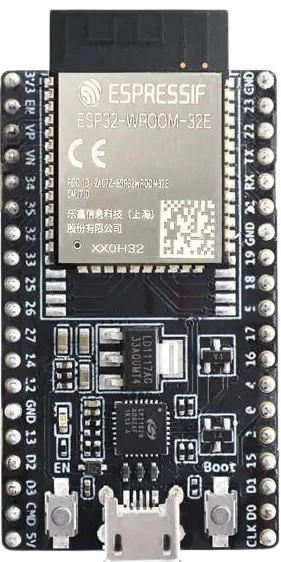
ESP32 DevKitC development board

Zephyr is Powerful.
And Terrifying.

CMake, Kconfig, device tree overlays, west manifests, RTOS primitives — getting a Zephyr project off the ground takes time even before you write a single line of application code.

Most developers spend more time wrestling with the toolchain and boilerplate code than writing the actual application.

AppBlocks Tames the Complexity

With AppBlocks, you draw your application logic as a flowchart. AppBlocks handles all Zephyr complexities — threads, queues, GPIO bindings, timers — and generates clean, working Zephyr firmware.

You focus on what your device does. AppBlocks handles how Zephyr does it.

Why AppBlocks?

Targets All Zephyr-Compatible Boards

From Nordic nRF chips to STM32 to ESP32 — if Zephyr supports it, AppBlocks works with it.

Visual Firmware Design

Draw flowcharts in the browser instead of writing RTOS code. No complex installs, boilerplate code, threads, or other complexities.

Faster Time to Working Firmware

AppBlocks cuts days or even weeks off your project. Your iteration speed accelerates, too.

Produces
Clean Code

AppBlocks generates readable, maintainable Zephyr C code you can inspect and extend.

AppBlocks in the Age of AI

AI can write firmware code from a prompt — but raw AI output comes with serious reliability concerns. Will you bet your (customer's) farm on it?

✕  AI-Generated Code
Poor control over choices
AI picks libraries, patterns, structures, and names for you. You inherit its decisions — even bad ones.
Consistency is hard
Every prompt is independent. UI, naming, error handling — all are random unless you fight the model every step of the way.
Can't trust the output
There is usually too much code to inspect. How can you tell if it will work reliably or fail you in the field?
✓  AppBlocks Guardrails
Full control over what matters
UI, I/O behavior, timing, and logic are all yours to define — explicitly, visually, and predictably.
Full Control Where it Matters
You have explicit control over naming, ordering, UI choices, and flow structure. Consistency preserved.
Build from known-good blocks
AppBlocks flows are assembled from verified building blocks that were designed to play nicely with each other.

Hundreds of Supported Boards

Nordic, STM32, ESP32, and other major brands — if Zephyr supports them, AppBlocks can target them.
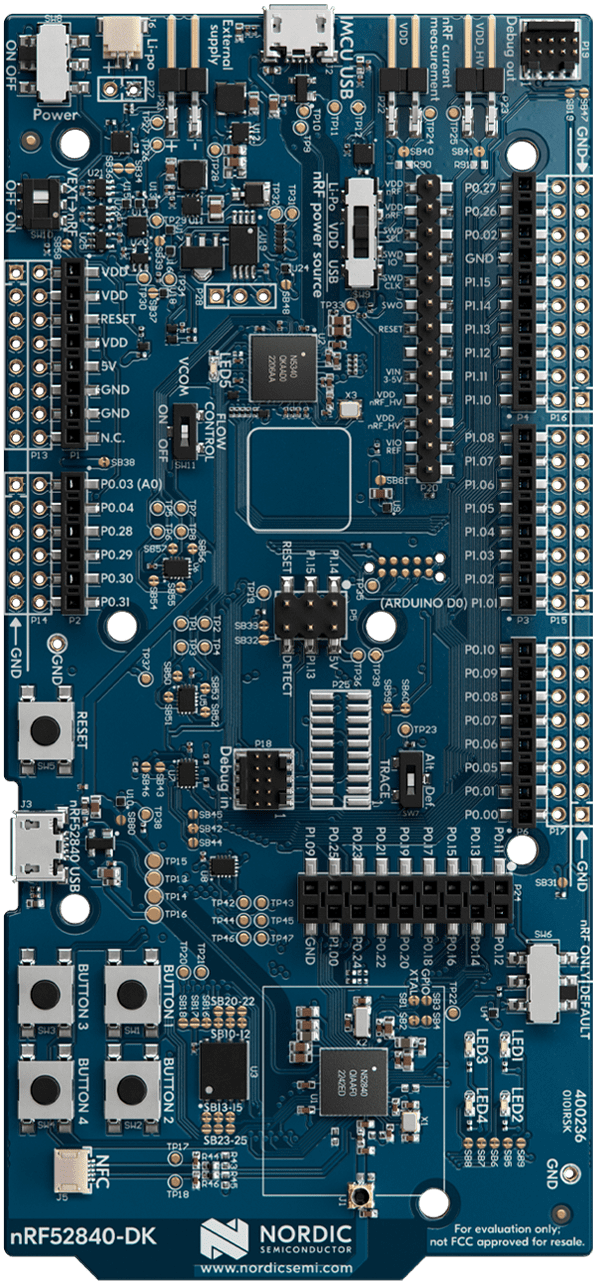
nRF52840 DK
Nordic Semiconductor
nRF52840 DK
nRF52840
BLE 5.0ThreadZigbee
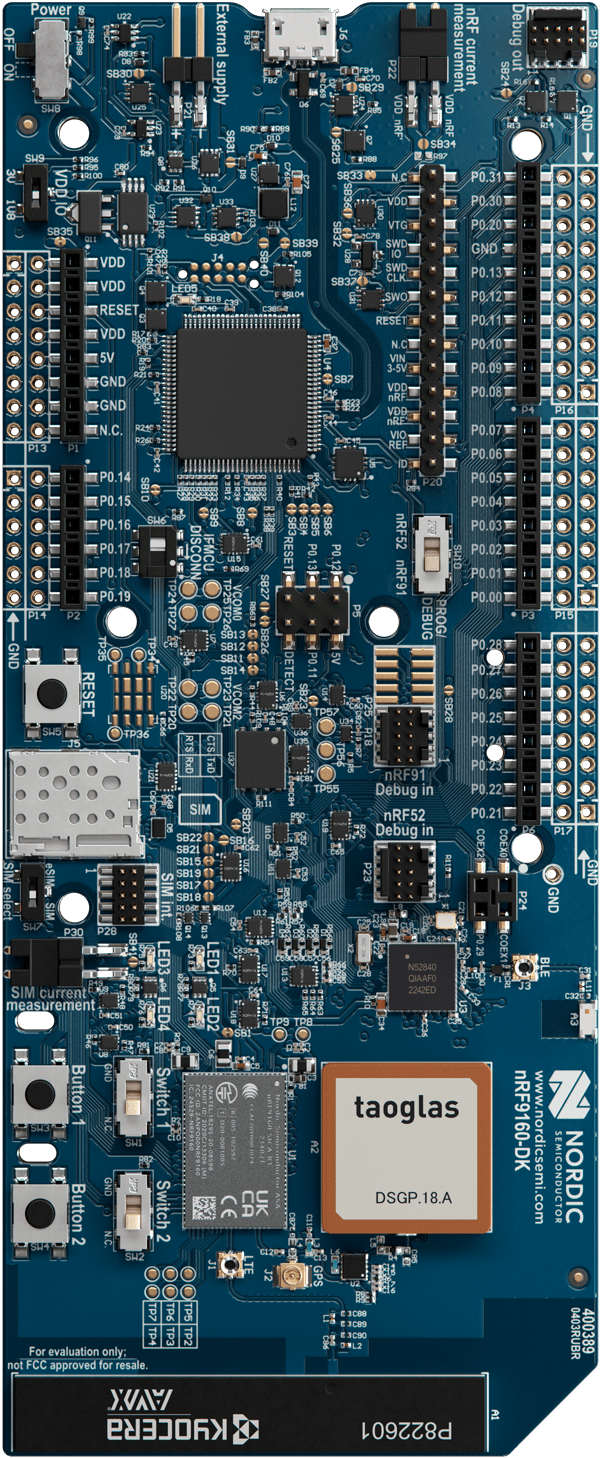
nRF9160 DK
Nordic Semiconductor
nRF9160 DK
nRF9160
LTE-MNB-IoTGPS
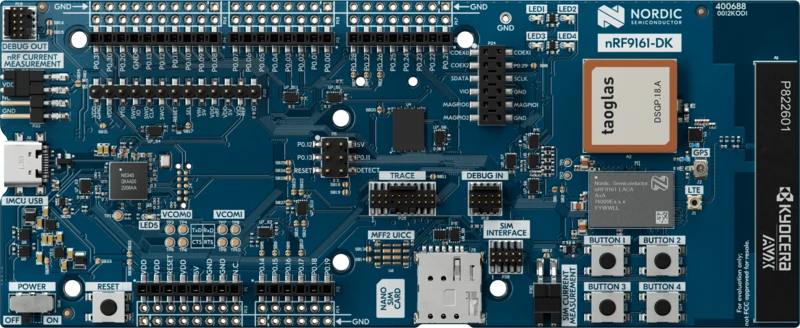
nRF9161 DK
Nordic Semiconductor
nRF9161 DK
nRF9161
DECT NR+LTE-MGNSS
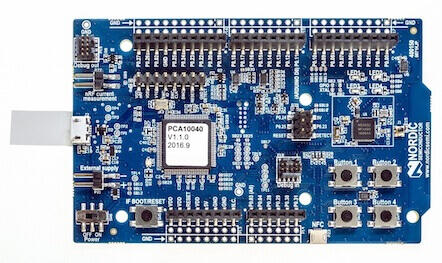
nRF52 DK
Nordic Semiconductor
nRF52 DK
nRF52832
BLE 5.0ANT2.4 GHz
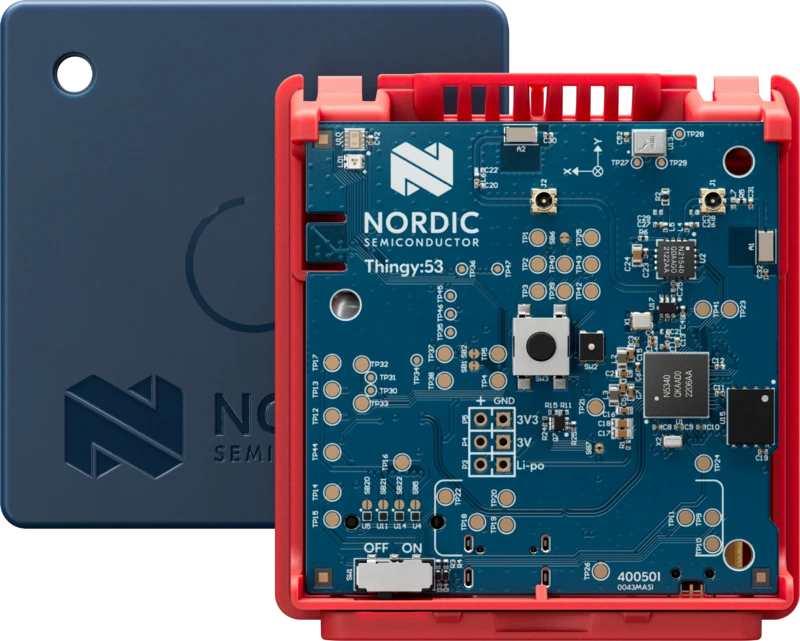
Thingy:53
Nordic Semiconductor
Thingy:53
nRF5340
BLEWi-FiSensors
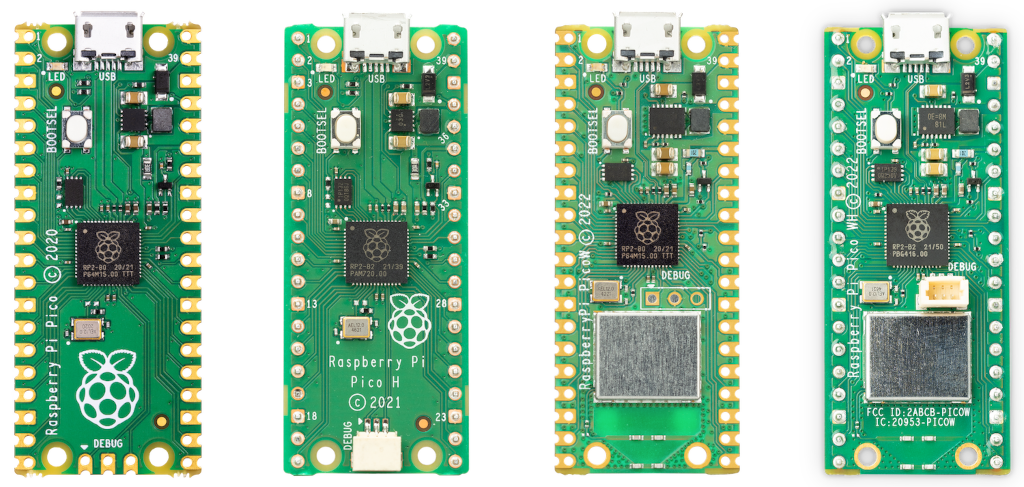
Raspberry Pi Pico
Raspberry Pi
Raspberry Pi Pico
RP2040
Dual-corePIOUSB
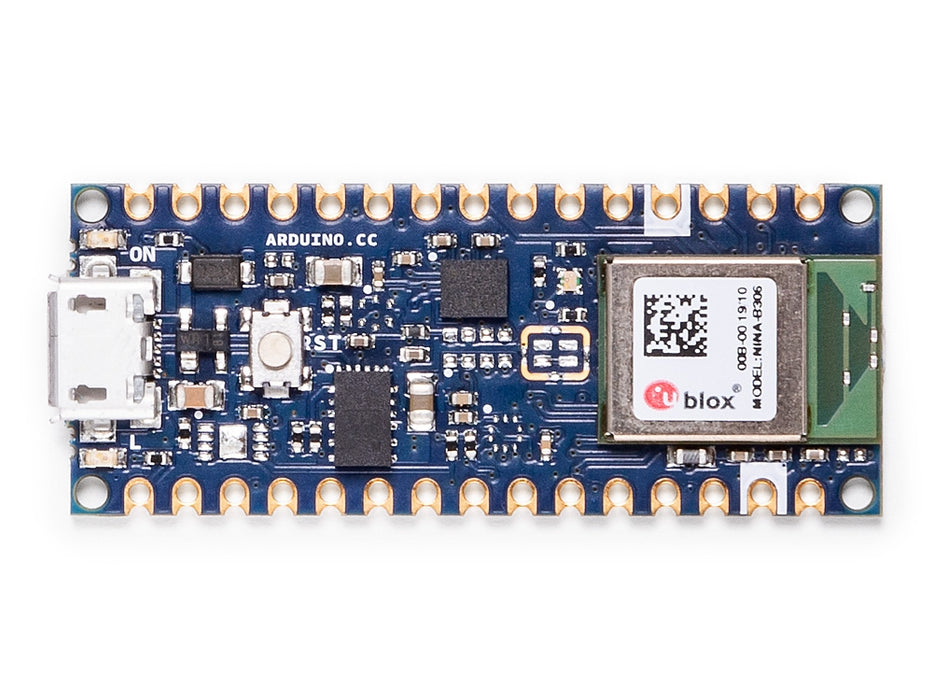
Nano 33 BLE
Arduino
Nano 33 BLE
nRF52840
BLEIMUUSB
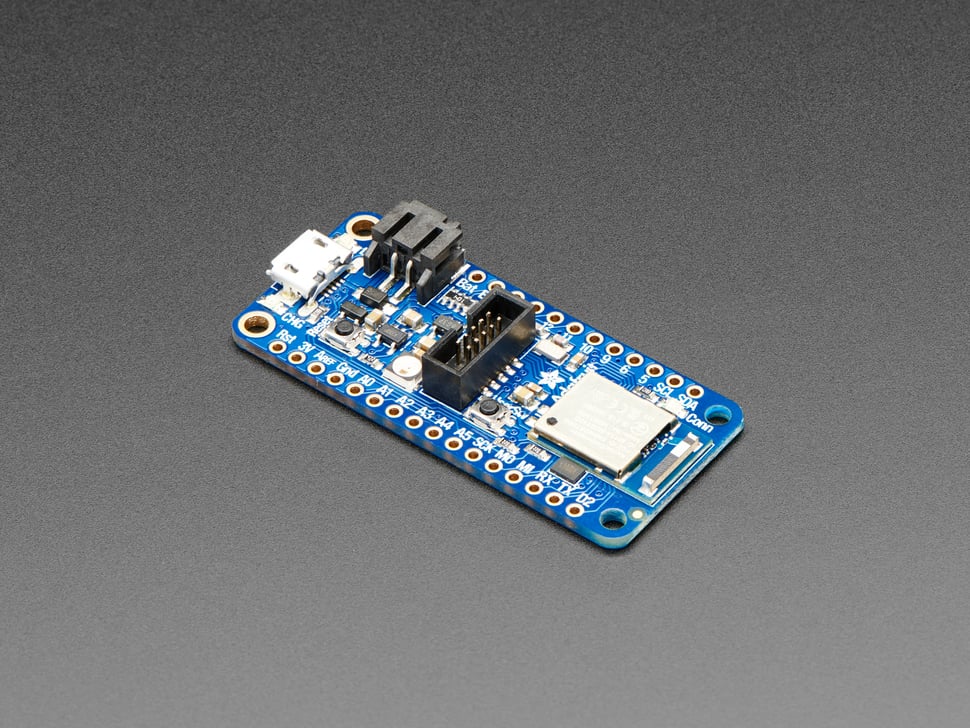
Feather nRF52840
Adafruit
Feather nRF52840
nRF52840
BLE 5.0USBLiPo
MagTag
Adafruit
MagTag
ESP32-S2
Wi-FiE-InkUSB-C
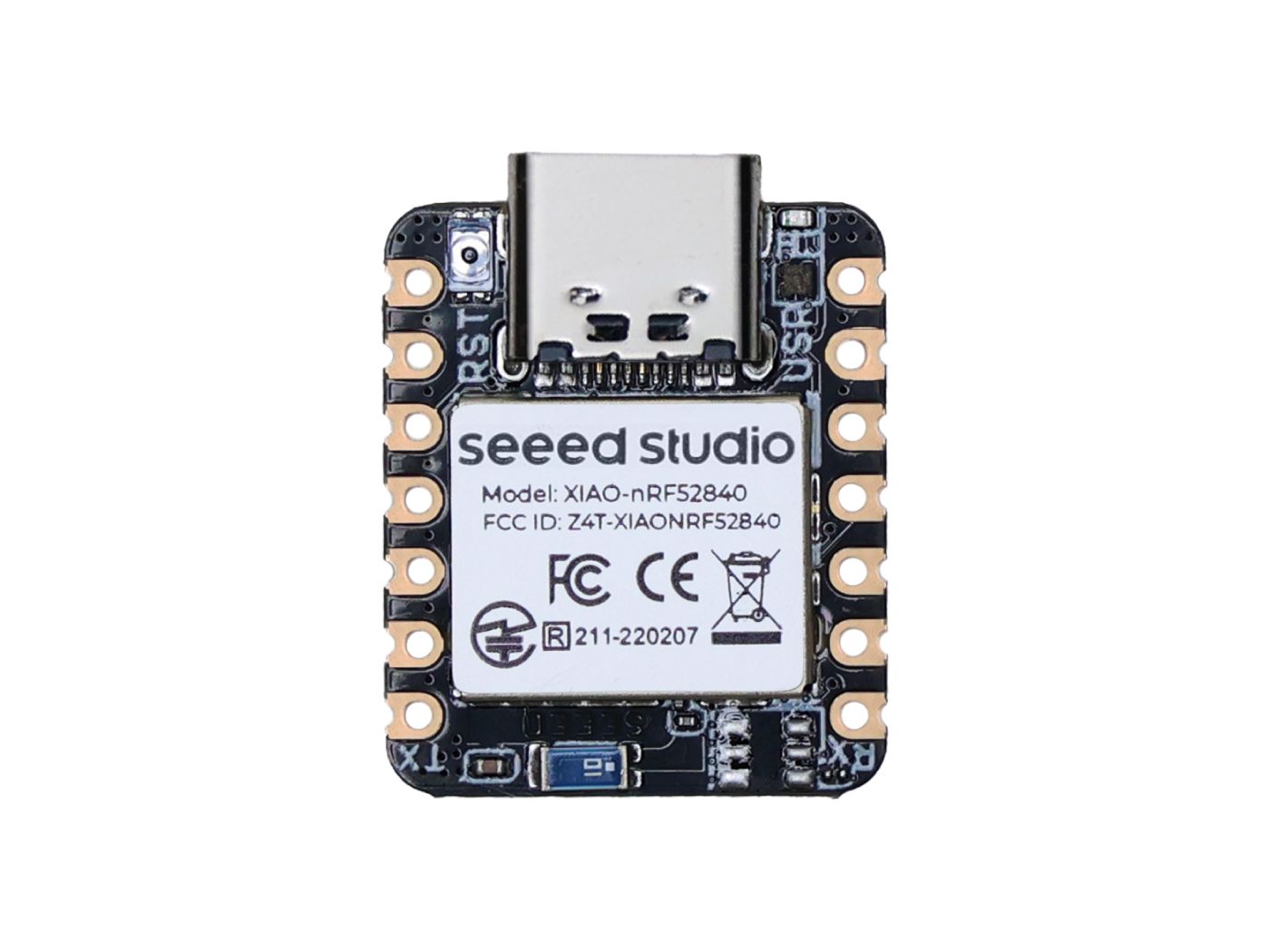
XIAO nRF52840
Seeed Studio
XIAO nRF52840
nRF52840
BLETinyUSB-C
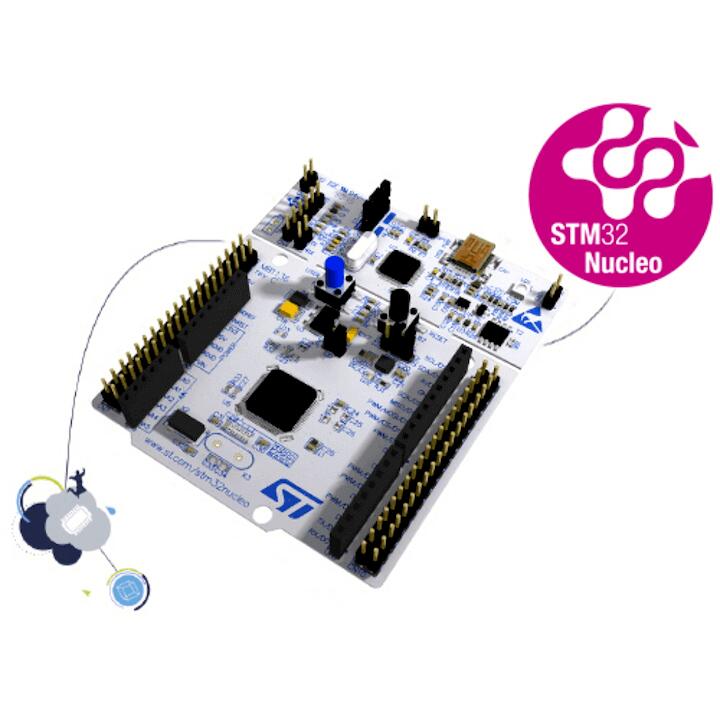
NUCLEO-F401RE
STMicroelectronics
NUCLEO-F401RE
STM32F401RE
Cortex-M4ArduinoST-LINK
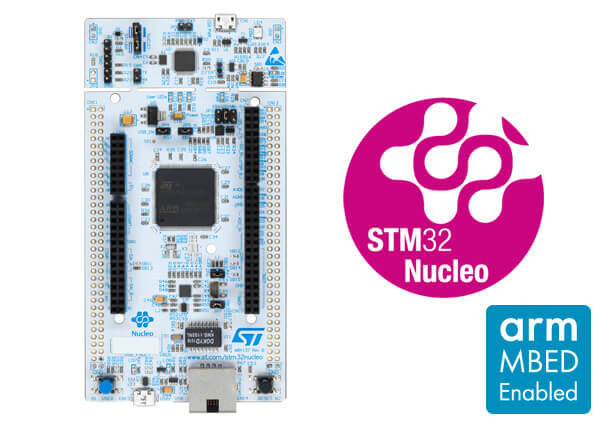
NUCLEO-H743ZI
STMicroelectronics
NUCLEO-H743ZI
STM32H743ZI
Cortex-M7480 MHzZio
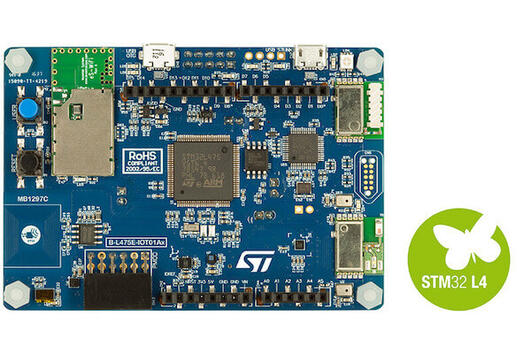
B-L475E-IOT01A
STMicroelectronics
B-L475E-IOT01A
STM32L475
Wi-FiBLESensors
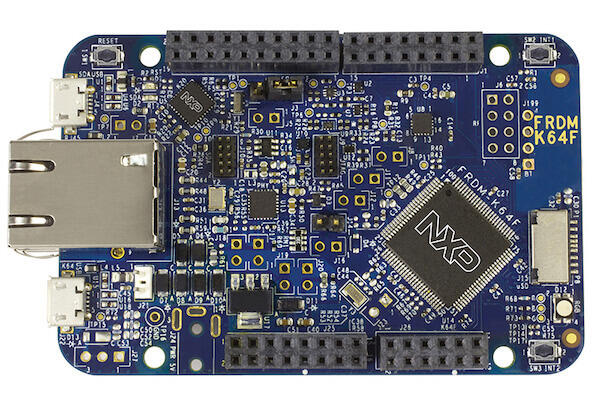
FRDM-K64F
NXP
FRDM-K64F
MK64FN1M0
Cortex-M4EthernetUSB
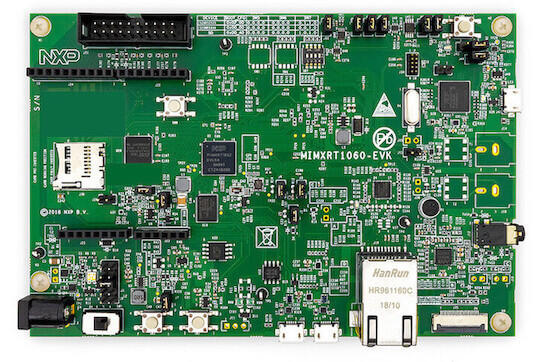
MIMXRT1060-EVK
NXP
MIMXRT1060-EVK
MIMXRT1062
Cortex-M7600 MHzEth
nRF52840 DK
Nordic Semiconductor
nRF52840 DK
nRF52840
BLE 5.0ThreadZigbee
nRF9160 DK
Nordic Semiconductor
nRF9160 DK
nRF9160
LTE-MNB-IoTGPS
nRF9161 DK
Nordic Semiconductor
nRF9161 DK
nRF9161
DECT NR+LTE-MGNSS
nRF52 DK
Nordic Semiconductor
nRF52 DK
nRF52832
BLE 5.0ANT2.4 GHz
Thingy:53
Nordic Semiconductor
Thingy:53
nRF5340
BLEWi-FiSensors
Raspberry Pi Pico
Raspberry Pi
Raspberry Pi Pico
RP2040
Dual-corePIOUSB
Nano 33 BLE
Arduino
Nano 33 BLE
nRF52840
BLEIMUUSB
Feather nRF52840
Adafruit
Feather nRF52840
nRF52840
BLE 5.0USBLiPo
MagTag
Adafruit
MagTag
ESP32-S2
Wi-FiE-InkUSB-C
XIAO nRF52840
Seeed Studio
XIAO nRF52840
nRF52840
BLETinyUSB-C
NUCLEO-F401RE
STMicroelectronics
NUCLEO-F401RE
STM32F401RE
Cortex-M4ArduinoST-LINK
NUCLEO-H743ZI
STMicroelectronics
NUCLEO-H743ZI
STM32H743ZI
Cortex-M7480 MHzZio
B-L475E-IOT01A
STMicroelectronics
B-L475E-IOT01A
STM32L475
Wi-FiBLESensors
FRDM-K64F
NXP
FRDM-K64F
MK64FN1M0
Cortex-M4EthernetUSB
MIMXRT1060-EVK
NXP
MIMXRT1060-EVK
MIMXRT1062
Cortex-M7600 MHzEth
nRF52840 DK
Nordic Semiconductor
nRF52840 DK
nRF52840
BLE 5.0ThreadZigbee
nRF9160 DK
Nordic Semiconductor
nRF9160 DK
nRF9160
LTE-MNB-IoTGPS
nRF9161 DK
Nordic Semiconductor
nRF9161 DK
nRF9161
DECT NR+LTE-MGNSS
nRF52 DK
Nordic Semiconductor
nRF52 DK
nRF52832
BLE 5.0ANT2.4 GHz
Thingy:53
Nordic Semiconductor
Thingy:53
nRF5340
BLEWi-FiSensors
Raspberry Pi Pico
Raspberry Pi
Raspberry Pi Pico
RP2040
Dual-corePIOUSB
Nano 33 BLE
Arduino
Nano 33 BLE
nRF52840
BLEIMUUSB
Feather nRF52840
Adafruit
Feather nRF52840
nRF52840
BLE 5.0USBLiPo
MagTag
Adafruit
MagTag
ESP32-S2
Wi-FiE-InkUSB-C
XIAO nRF52840
Seeed Studio
XIAO nRF52840
nRF52840
BLETinyUSB-C
NUCLEO-F401RE
STMicroelectronics
NUCLEO-F401RE
STM32F401RE
Cortex-M4ArduinoST-LINK
NUCLEO-H743ZI
STMicroelectronics
NUCLEO-H743ZI
STM32H743ZI
Cortex-M7480 MHzZio
B-L475E-IOT01A
STMicroelectronics
B-L475E-IOT01A
STM32L475
Wi-FiBLESensors
FRDM-K64F
NXP
FRDM-K64F
MK64FN1M0
Cortex-M4EthernetUSB
MIMXRT1060-EVK
NXP
MIMXRT1060-EVK
MIMXRT1062
Cortex-M7600 MHzEth

Cross-Pollination: TiOS, Zephyr, and TPS

AppBlocks on Zephyr isn't some from-scratch experiment. It inherits decades of lessons from developing Tibbo OS (TiOS). It also gives back, supercharging our TPS platform in return.

TiOS → Zephyr

Decades of TiOS Experience, Applied

Battle-tested know-how
We have been developing and refining TiOS — Tibbo's homegrown operating system — for over two decades. That experience directly shaped how AppBlocks runs on Zephyr. For example...
RAM
Static memory model = Stability
TiOS taught us that having no dynamic memory allocation (no heap) is extremely beneficial for embedded systems: Memory leaks become impossible, and devices can run unattended indefinitely. Also...
Runs on Inexpensive ARMs
Static allocation brings along substantial memory savings, allowing us to run AppBlocks applications on inexpensive, midrange ARM chips.
Zephyr → TPS

Zephyr Makes TPS Better, Too

10–20× faster UI
The exchange goes both ways: moving to Zephyr makes web and screen UI run 10–20× faster than under TiOS. This means snappy dashboards and fluid on-device displays.
Multimedia unlocked
Zephyr also enables high-quality audio playback and microphone recording, an entirely new territory for TPS devices. Now you can build a new class of apps, such as intercoms, announcers, and more.
SD
SD card support
External storage has been a popular request from TPS customers for a while. This will be so handy for new audio applications!
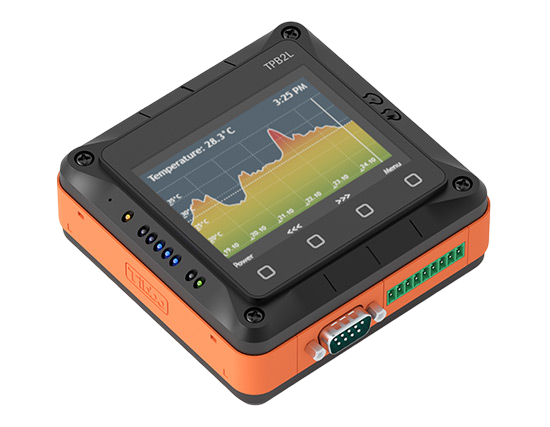
Tibbo Project System TPB2L controller

Looking for a Complete Industrial Solution?

AppBlocks was built alongside the Tibbo Project System (TPS) — a modular platform for industrial automation and IoT. If you need a deployment-ready device, not just a dev board, TPS has you covered.